Ines Walter · 14 September 2026
Shifting Trade Winds Prompt Regional British Harbors to Revise Container Routing Approaches
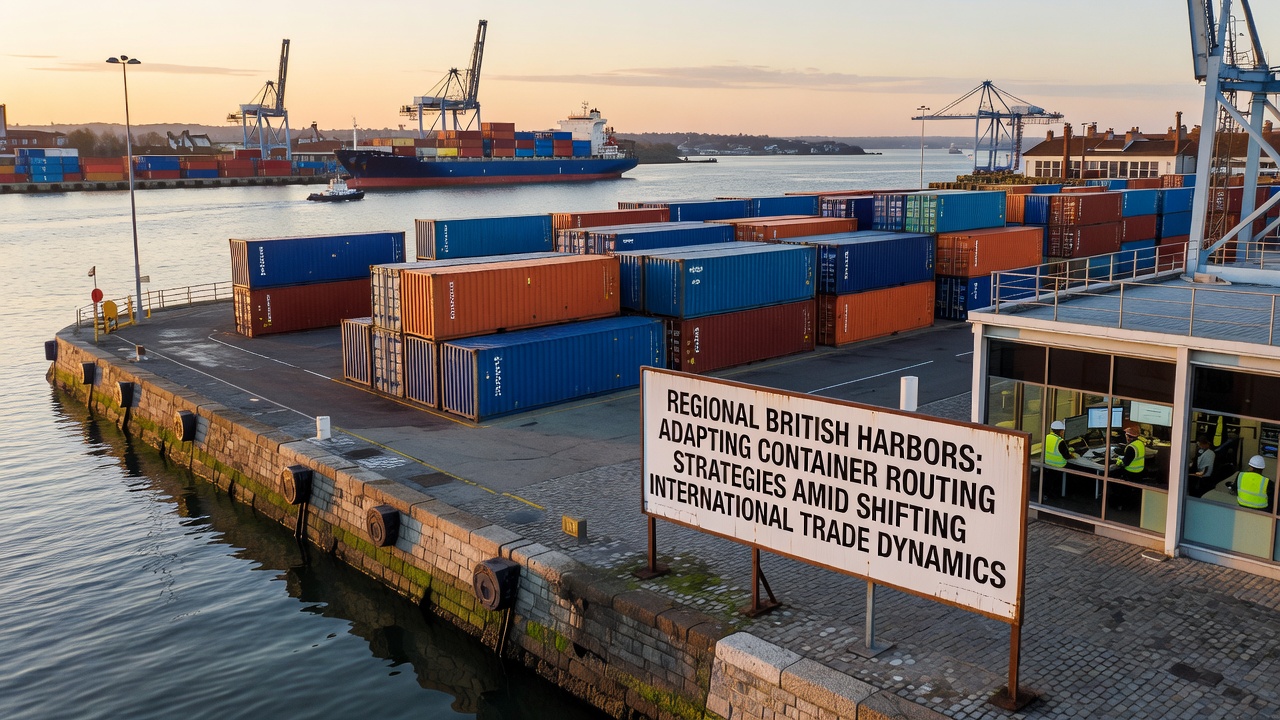
Regional harbors across Britain have adjusted container routing strategies in response to evolving international trade patterns, with several facilities implementing new operational protocols by September 2026. Data from the Department for Transport shows increased container movements through ports such as Liverpool, Bristol, and Teesport, where operators have established alternative pathways to accommodate shifts in cargo origins and destinations. These changes stem from factors including new bilateral agreements, disruptions in traditional sea lanes, and adjustments in supply chain configurations by major shipping lines.
Trade Pattern Changes Drive Routing Updates
Container volumes at regional sites rose notably after 2024, according to figures released by the Office for National Statistics, as companies sought to diversify away from concentrated flows through larger gateways. Operators at these harbors responded by coordinating with international carriers to reroute vessels through secondary channels, which often involved revised scheduling and enhanced coordination with rail and road networks. One study from the University of Southampton documented how smaller harbors integrated digital tracking systems to manage increased variability in arrival times and cargo types.
Adjustments accelerated further in 2025 when several Asian and North American trade partners finalized updated logistics frameworks that favored multi-port discharge strategies. Harbors in the north and west of Britain capitalized on these developments by expanding feeder service connections, which allowed containers to reach inland destinations more efficiently. Evidence from industry reports indicates that such adaptations reduced average dwell times at affected facilities while maintaining compliance with updated customs procedures.
Operational Adjustments at Specific Sites
At the Port of Liverpool, authorities completed infrastructure upgrades in early 2026 that supported direct calls from additional carriers serving South American routes. Similar expansions occurred at Bristol, where terminal operators introduced dedicated container handling zones for reefer units linked to new agricultural export agreements. Teesport implemented automated gate systems to process higher volumes of European short-sea traffic that had previously transited through other North Sea locations.
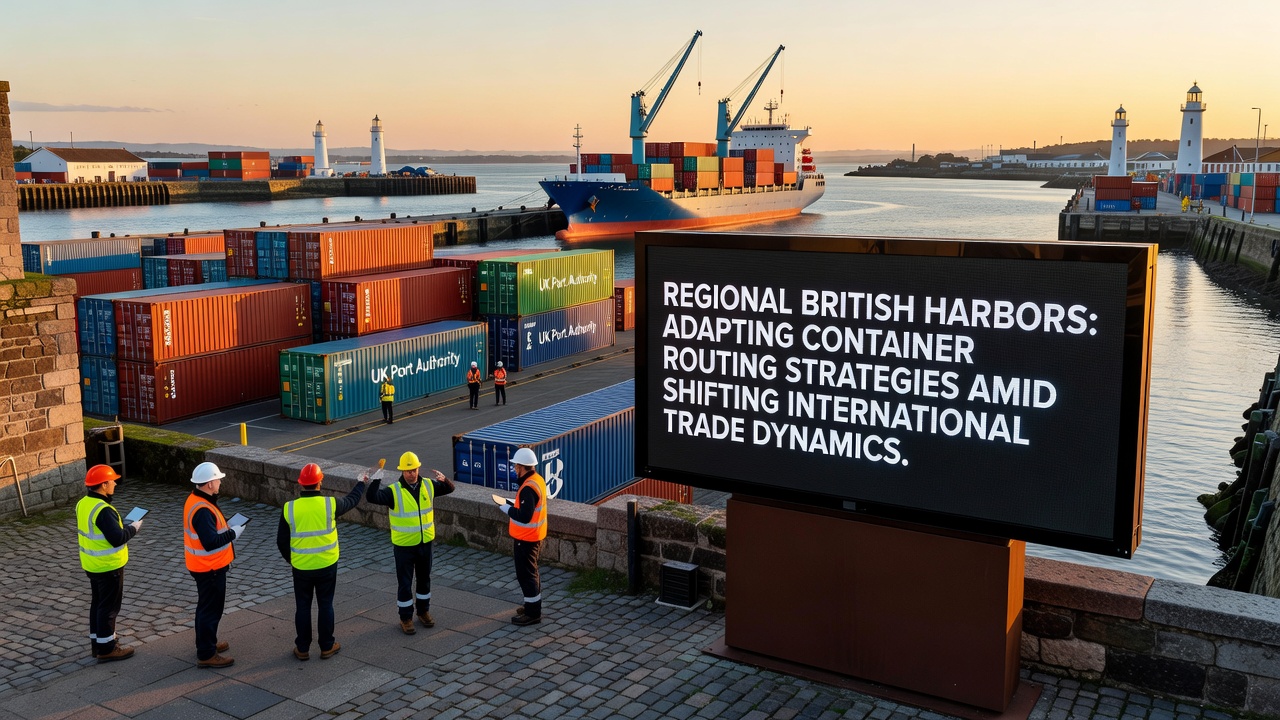
These sites also participated in collaborative programs with European counterparts, including data-sharing initiatives coordinated through the European Maritime Safety Agency. Such partnerships enabled more precise forecasting of vessel movements and helped regional harbors anticipate capacity requirements several weeks in advance. Researchers at the University of Hull noted that facilities adopting these practices recorded measurable improvements in throughput consistency during peak periods.
Role of Technology and Partnerships
Digital platforms played a central role in the routing revisions, with many harbors adopting software that integrates real-time trade data from multiple sources. Connections to global tracking networks allowed operators to identify emerging bottlenecks and redirect containers accordingly. Industry associations, including the British Ports Association, facilitated knowledge exchange sessions where representatives from different regions compared outcomes from their respective adaptations.
By September 2026, several harbors reported successful integration of these tools with national logistics databases, which supported smoother transitions when trade volumes fluctuated due to seasonal or geopolitical influences. External analyses from the World Trade Organization highlighted how such technological investments aligned with broader trends toward resilient supply chains observed across multiple economies.
Impacts on Regional Economies
The routing changes have influenced employment patterns and investment decisions in surrounding areas. Local authorities in port-adjacent communities documented increased demand for skilled logistics personnel, prompting training programs in partnership with regional colleges. Cargo handling equipment suppliers noted higher orders for specialized machinery suited to varied container sizes arriving via new routes.
Observers tracking these developments point to sustained activity levels that contrast with earlier periods of consolidation around primary hubs. Statistics compiled by Statistics Canada on transatlantic container movements provide context for how British regional facilities fit into wider North Atlantic trade corridors, demonstrating parallel adaptations on both sides of the ocean.
Conclusion
Regional British harbors continue to refine container routing approaches as international trade dynamics evolve, with documented operational changes at multiple sites through September 2026. These adjustments reflect coordinated responses to shifting cargo flows, supported by infrastructure enhancements, technological integration, and inter-regional cooperation. Available data indicates that the strategies have enabled sustained handling capacity while aligning with updated global trade frameworks.