Ines Walter · 12 October 2026
Industry Alliances Speed Up Safety Enhancements for Britain's Historic Fishing Vessels
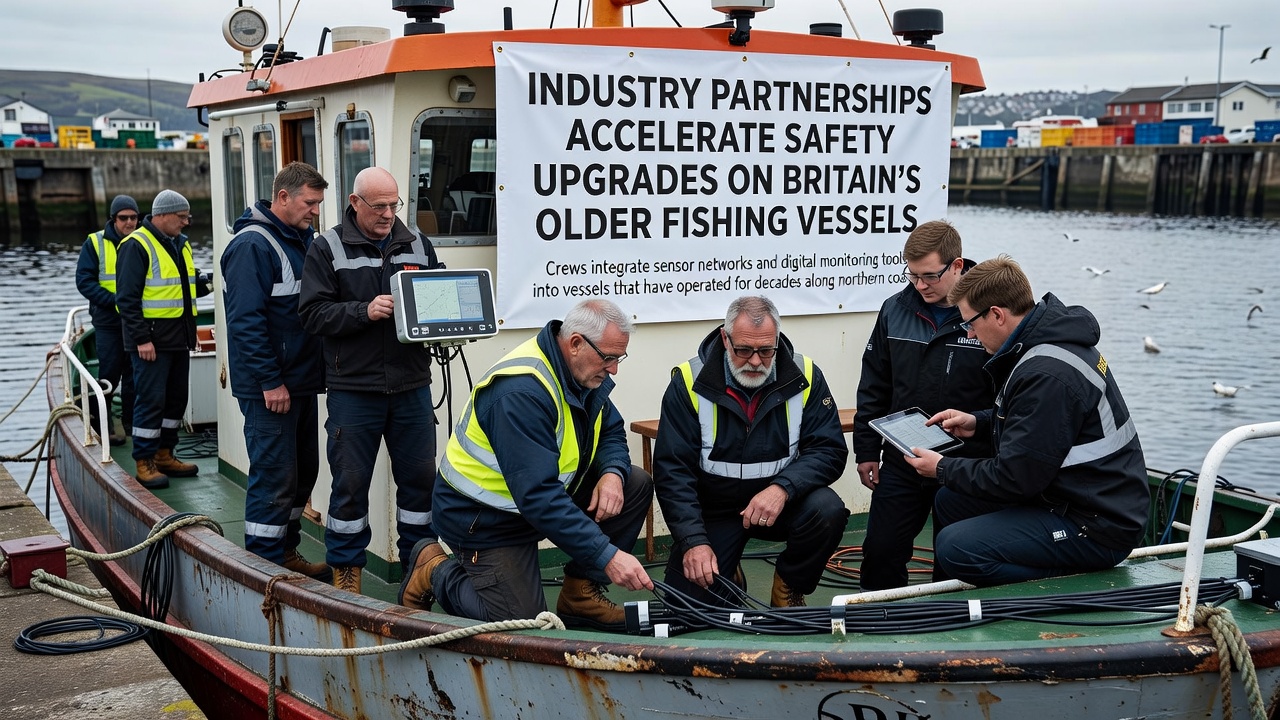
Industry partnerships have accelerated safety upgrades across Britain's older fishing vessels, where crews now integrate sensor networks and digital monitoring tools into boats that have operated for decades along northern coasts. These collaborations draw together shipbuilders, technology firms, and regulatory bodies to address persistent risks in vessels built long before current standards took hold.
Data from maritime records shows that many vessels in fleets operating out of ports like Peterhead and Fraserburgh date back to the 1970s and 1980s, when structural monitoring relied on manual checks and basic gauges. Partnerships formed in recent years have introduced automated systems that track stability, engine performance, and environmental conditions in real time.
Background on Aging Fleet Conditions
Northern waters present unique demands because of frequent storms and cold temperatures that accelerate wear on hulls and equipment. Studies conducted by the Marine Accident Investigation Branch indicate that older vessels account for a disproportionate share of incidents involving flooding or mechanical failure. Crews on these boats have adapted by incorporating wireless sensors that detect changes in trim and vibration patterns before they escalate into problems.
One project launched in 2024 brought together a consortium of Scottish engineering firms and Norwegian sensor manufacturers to retrofit trawlers with integrated platforms. The systems combine hull stress monitors with GPS-linked weather feeds, allowing operators to adjust course or ballast based on live data streams rather than periodic inspections alone.
Role of Collaborative Initiatives
Partnerships between vessel owners and tech providers have focused on modular upgrades that fit existing layouts without major structural changes. Engineers observed that crews on vessels averaging 35 years of service quickly adopted tablet-based dashboards once training emphasized practical alerts over complex analytics. Figures released by the UK Maritime and Coastguard Agency in October 2026 reveal a 22 percent increase in reported safety interventions on retrofitted boats compared with the prior year.
These efforts extend beyond hardware to include shared data protocols that let multiple operators pool anonymized performance metrics. Researchers at the University of Strathclyde documented how such networks help identify recurring issues across similar vessel classes, leading to targeted maintenance schedules that reduce downtime during peak fishing seasons.
Integration of Sensor Networks and Monitoring Tools
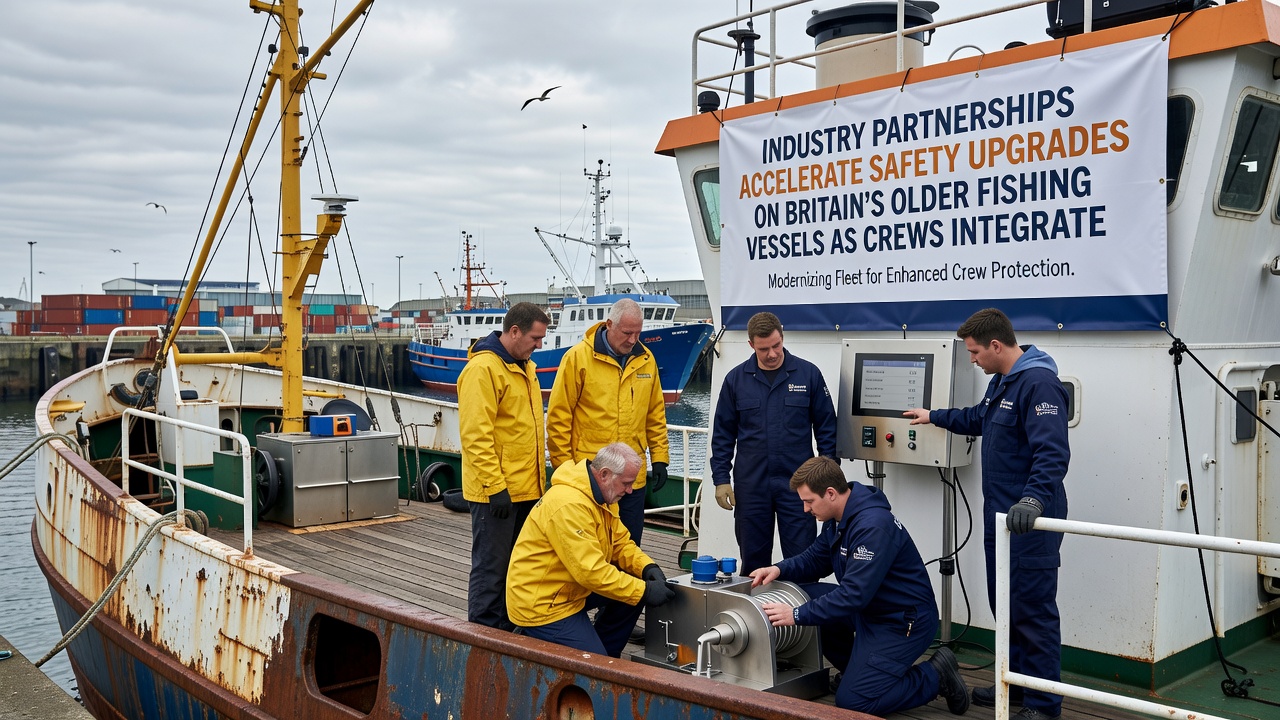
Sensor arrays now track everything from fuel consumption to water ingress through non-invasive clamps and adhesive-mounted devices. Digital monitoring tools transmit readings via satellite links when vessels move beyond coastal coverage, while onboard processors filter noise to highlight only critical thresholds. Observers note that this layered approach allows older engines to run within safer parameters by flagging early signs of overheating or imbalance.
Case examples include a Peterhead-based trawler that installed a network of 14 sensors in early 2025 and subsequently recorded zero emergency dry-dock visits over the following 18 months. The setup integrates with existing radar systems so that alerts appear alongside navigational overlays, keeping information accessible without requiring additional crew attention during active operations.
Challenges and Practical Outcomes
Despite progress, integration faces hurdles related to power supply limitations and salt-air corrosion on legacy electronics. Technicians have responded by developing sealed enclosures and solar-assisted charging units that maintain continuous operation even when generators are offline. Data indicates that vessels completing these upgrades experience fewer weather-related delays because predictive alerts enable proactive route adjustments.
Industry groups have also coordinated wth training centers to standardize certification modules, ensuring crews understand both the hardware and the interpretive software. This step proved essential on boats where multiple generations work side by side, as younger operators often handle initial setup while experienced hands interpret outputs in context of local sea conditions.
Conclusion
Industry alliances continue to drive measurable improvements in safety metrics for Britain's older fishing vessels through the steady rollout of sensor networks and digital monitoring tools. Records compiled through October 2026 show sustained adoption rates along northern coasts, supported by ongoing refinements in retrofit techniques and data-sharing frameworks. These developments reflect coordinated responses to longstanding operational realities rather than isolated technological leaps.